Commercial Waste in Addlestone

Commercial waste in Addlestone needs a practical, lawful service that keeps business premises clear without turning disposal into a distraction. We handle everyday trade waste streams and one-off clearances for workplaces that need items removed, sorted and directed towards the right next step. The aim is straightforward: give local businesses a reliable way to deal with surplus materials, redundant fittings and office contents while keeping the process organised from start to finish.
If you are managing a shop, office, workshop or property between tenancies, the most useful service is usually one that deals with the whole load rather than a narrow single item. Our work can cover mixed commercial rubbish, bulky furniture, equipment, packaging and general non-hazardous waste, with a focus on separating reusable and recyclable material where possible. If your site has awkward access, phased removal or a specific set of items to prioritise, we can work through that in a sensible order.
The best place to begin is to decide what must go, what should stay and which items need particular care. A clear list makes the job easier, but a simple description is often enough to start. If you already know the main categories of waste, you can contact us with those details and request a quotation.
Office Waste and Workplace Clearances
Office waste removal is rarely just about paper. Desks, chairs, cabinets, filing units, screens and old technology can all build up over time, especially during moves, refurbishments or reorganisations. A good commercial clearance service needs to handle these items in a way that respects the layout of the building and avoids unnecessary disruption to staff, customers or neighbouring tenants. That is why our approach is centred on practical removal and sensible sorting rather than a one-size-fits-all method.
For many offices, the main decision is whether the waste stream is mostly furniture, mixed contents or a combination of both. Furniture can often be cleared in a batch, while smaller items may need separate handling to keep things orderly. Where paper records or confidential materials are involved, it is sensible to treat them differently from ordinary office rubbish. Confidential shredding is a relevant option for businesses that need a secure route for sensitive paperwork, but it is still important to separate that work from standard clearance so the right process is used for the right material.
Commercial Items We Commonly Remove

Businesses often need help with a mix of bulky and smaller waste types rather than a single category. In practice, that may include breakroom furniture, reception items, shelving, stockroom contents, packaging, display units, redundant fixtures and ordinary office or shop waste. The most efficient clearances usually come from grouping items by type before removal, because that makes it easier to identify what can be reused, dismantled, recycled or disposed of through the correct route.
Some categories need more care than others. For example, a damaged fridge, a worn mattress in a staff area or a broken sofa from a waiting room should not be treated as ordinary rubbish. Those items are better handled through dedicated disposal routes rather than left to chance. Fridge and appliance removal is useful for electrical and cooling units, while mattress and sofa disposal can help with larger soft-furnishing items that need separate treatment from general waste.
Where commercial premises contain a mixture of everyday rubbish and a few heavier pieces, a sensible list helps keep the service efficient. If you are unsure how to describe the load, mention the main item types, the number of bulky pieces and whether anything requires dismantling. That is usually enough to shape an accurate quotation and avoid surprises on the day.
Business Waste Removal for Ongoing and One-Off Needs
Some businesses want help with a single clearance after a refit, while others need regular support for irregular bulky waste. Business waste removal can cover both situations when the emphasis is on keeping premises tidy and dealing with non-hazardous trade waste in a controlled way. Rather than treating every enquiry as the same, it helps to separate routine waste from special items, since that influences how the load is sorted and what level of labour is involved.
For workplaces with changing stock, moving equipment or back-room clutter, the scope may be broader than a standard bin collection. That can include old shelving, damaged displays, packaging, redundant stock and worn furniture. Business waste removal is the relevant page if you want to see this service in more detail, while waste removal suits a more general overview of the core service. Both are useful when planning a clearance that goes beyond a few simple bags.
When requesting a quotation, it is helpful to note whether the waste is a one-off accumulation or part of an ongoing change in your premises. Mentioning the main access points and any lifting constraints is useful too, because those practical details affect how the work is organised. The more accurately the load is described, the easier it is to match the right service to the job.
Furniture, Fixtures and Mixed Contents
Commercial properties often accumulate items that are too large for ordinary disposal yet not specialised enough to need a separate contractor. Office chairs, tables, cupboards, counters and shelving can all fall into this category. Clearances of this kind work best when the team can remove furniture, dismantle simple fittings where needed and keep reusable or recyclable components separate from general waste. That avoids unnecessary handling later and keeps the process manageable for the customer.
When fixtures or contents are being replaced, the decision is often between selective removal and a full strip-out of the affected area. The former suits businesses that only need certain pieces removed, while the latter is better when rooms are being emptied for refurbishment, handover or reconfiguration. Furniture clearance is useful where the main concern is reusable or bulky furniture, and furniture disposal suits loads that are ready for final removal. If the items are attached or built in, the job may overlap with office clearance or another broader service.
Office Clearance and Planning Around Access

Office clearance often calls for more planning than a simple waste lift because desks, storage units, screens and paperwork may all be mixed across several rooms. The key is to decide which areas are being cleared in full and which are only being partially emptied. That helps avoid confusion when the work begins and makes it easier to protect items that are staying in place. In many cases, the most efficient approach is a staged removal that follows the layout of the premises rather than trying to move everything at once.
If there are stairs, narrow corridors, basement rooms or shared entrances, those details matter because they affect the route through the building. It is also useful to think about timing, especially where staff, visitors or neighbouring businesses are nearby. For premises that need a broader internal clear-out, office clearance is a sensible service page to review, while book online is an option for customers who prefer a direct booking route rather than starting with a general enquiry. The right choice depends on how much of the office is being cleared and how quickly the area needs to be made usable again.
When preparing a quotation, two simple details are usually enough to make progress: a summary of the items and a note about access. If you can also say whether the clearance is tied to a move, a refurbishment or a general declutter, that gives a clearer picture of the job. After that, you can ask for a quotation in plain language without needing to over-explain the site.
Garage, Loft and Storage Area Clearances
Some commercial waste is stored away from the main workspace and only becomes visible when a garage, loft, cellar or stock room needs clearing. These areas often hold a mix of old boxes, broken fixtures, unwanted files, spare parts, packaging and long-forgotten equipment. A careful clearance makes it easier to sort what is obsolete from what is still useful, and it reduces the risk of moving the wrong things simply because they have been out of sight for a long time.
Storage-area clearances are usually different from open-plan office work because access can be awkward and the contents can be unevenly stacked. That means the removal plan should reflect the actual space rather than relying on assumptions. garage clearance is useful for ground-floor and outbuilding storage, while loft clearance suits higher or tighter spaces where access is more constrained. If the area is part of a commercial property but functions like domestic storage, home clearance or house clearance may also be relevant depending on the property type and the nature of the contents.
A good rule is to focus on the type of items rather than simply the room name. A storage space full of archive boxes, electricals and old furniture can be approached more accurately when the contents are described clearly. That makes it easier to decide whether the load is mostly lightweight, bulky, fragile or mixed.
Hazardous, Recyclable and Special Waste Considerations
Commercial waste is not always straightforward, and some items need different handling from ordinary rubbish. Paints, chemicals, contaminated materials and certain industrial residues may fall under special disposal rules, while electricals and metal-heavy items often need sorting to separate recyclable components. A responsible clearance service should recognise those distinctions and avoid mixing materials that ought to follow different routes. That is particularly important where premises produce waste from maintenance, repairs or light workshop activity.
If your load includes specialist items, it is better to identify them before the job is booked. That does not mean every item needs a long technical description; often a few plain words are enough. Hazardous waste disposal is relevant where the contents require stricter handling, and recycling and sustainability is useful for customers who want to understand how recoverable material is dealt with. These services should be chosen carefully rather than assumed, because the correct route depends on the actual waste present.
For mixed loads, the practical aim is to remove what can be taken safely and lawfully while leaving no doubt about items that need another route. That is why a quotation based on a clear summary of the contents is far better than a vague request. If you are uncertain whether something counts as specialist waste, say so in the enquiry and describe the item plainly.
Garden, Builders and Property Maintenance Waste
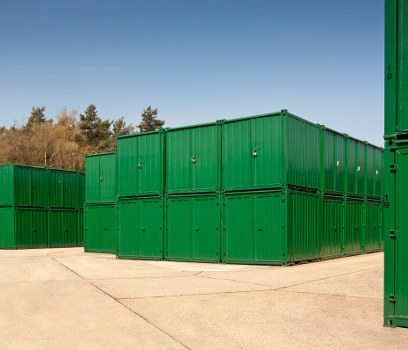
Commercial premises do not only produce office waste. Grounds, yards, service areas and maintenance projects can all create waste that needs a separate plan. Garden clearance may involve cuttings, branches, soil-contaminated waste, broken planters or worn outdoor fittings, while builders' waste often contains packaging, timber, plasterboard offcuts, old fixtures and debris from refurbishments. These streams are best treated according to their material rather than lumped into one broad category.
When renovation or landscaping work is underway, waste can build up quickly and interfere with access or progress. Garden clearance is useful for external green waste and outdoor clutter, and builders' waste clearance suits the mixed debris left after construction or alteration work. If the premises also need standard clearance of internal fittings or contents, those services can be combined in a sensible sequence rather than handled as separate, unrelated jobs.
The most effective approach is to explain whether the waste is loose, bagged, stacked or left in piles, and whether any heavy or awkward material is included. That helps shape the labour required and keeps the quotation aligned with the actual work. It is also worth saying if the area is shared or partly occupied, so the removal can be planned with minimal interruption.
Prices, Scope and What Shapes a Quotation
Commercial waste quotes depend on the type of material, the amount involved and the effort needed to remove it safely. Bulky furniture, mixed items, access restrictions and special handling all affect the scope of the job. A sensible quotation reflects the real work involved, so the most useful information is usually a concise summary of the load rather than a long description of the business itself. That keeps the discussion practical and helps avoid guesswork.
Useful details to include are the main item types, whether anything is fragile or heavy, the floor level, and whether the removal is from one room or several. If the site has time constraints or needs staged clearance, mention that too. Pricing and quotes is the page to review if you want to understand how enquiries are handled, while about us gives a general overview of the business. For customers who prefer to complete the process online, book online can be a straightforward way to move from enquiry to arrangement.
When you are ready, send the basic facts and ask for a quotation in the form that suits you best. A short message is often enough: what needs removing, roughly how much there is and where it is located. That keeps the process efficient and gives a clearer basis for a tailored response.
About Addlestone
Addlestone is a town in the Borough of Runnymede in Surrey, lying close to the River Wey Navigation and to the wider Thames valley landscape that shapes much of north Surrey. It grew from a smaller settlement into a more substantial urban centre during the nineteenth and twentieth centuries, helped by transport connections and the broader expansion of nearby communities such as Weybridge, Chertsey and New Haw. The town sits within an area where waterways, flat low-lying land and improved road and rail links have long influenced how people move and settle. In the historic centre, older development sits alongside later retail and residential growth, creating a layered streetscape rather than a single uniform pattern. Addlestone is also known for its association with the Runnymede area, where the surrounding landscape includes stretches of riverside land, open spaces and places of national historical importance. Contemporary Addlestone includes local shopping streets, civic facilities and newer housing, while the wider borough contains a mix of suburban neighbourhoods, riverside landscapes and business areas. The town’s position in north Surrey means it is connected to both commuter movement and everyday local life, with a built environment that reflects gradual change rather than one dramatic moment of expansion. As with many Surrey towns, the pattern of streets, parks and transport corridors gives it a character shaped by both geography and history.
Clearances for Shops, Units and Small Business Premises
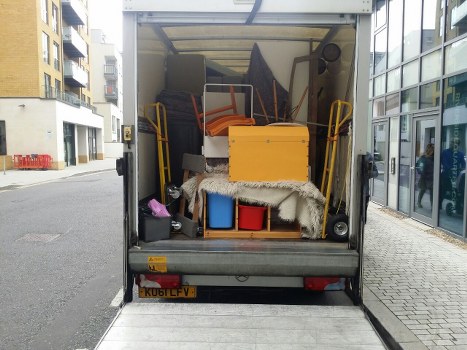
Shops, cafés, salons and small commercial units often need waste removed in a way that fits around trading hours, customer access and changing stock. The load may include shelving, packaging, display materials, old stock, seating, storage items and unwanted fixtures. In these settings, the value of a commercial waste service is not just removal but the ability to deal with mixed contents efficiently and avoid unnecessary disruption while the premises remain in use.
Flat clearance and house clearance may be relevant where a business operates from a mixed-use property or needs contents removed from staff accommodation, while home clearance can also suit smaller premises where the contents resemble a domestic-style load. For a broader property-based clear-out, waste removal remains the central service, and it can be adapted to the scale and layout of the site. The practical question is always the same: what needs to go, what must remain and how should the work be organised around the building.
If your unit is due to be emptied, refreshed or handed back, keep the enquiry simple and factual. Say what type of business it is, what is being removed and whether any items need careful handling. From there, you can request a quotation and move forward with a clear plan for the clearance.