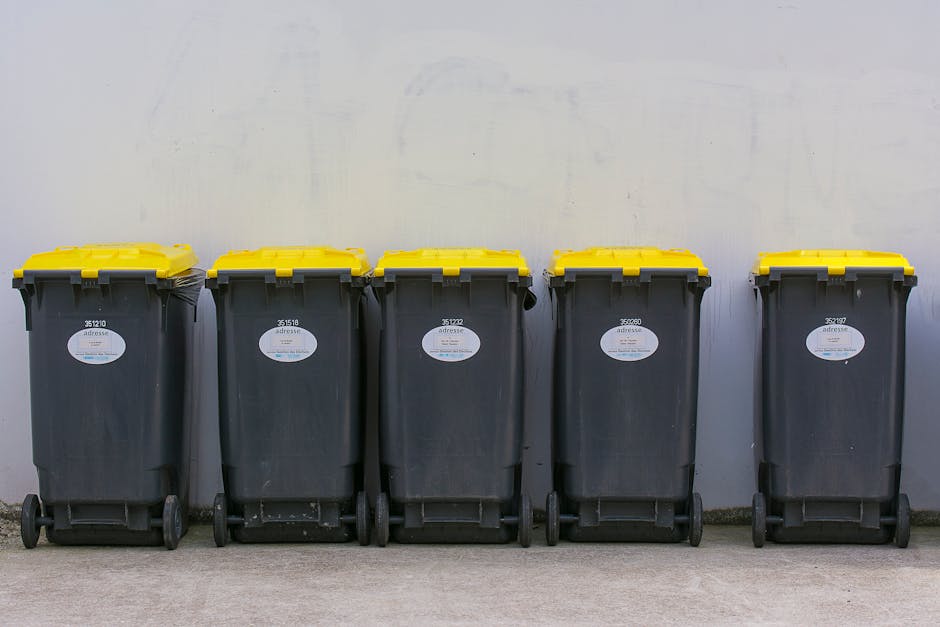
Runnymede Council rules for Addlestone waste disposal and fines: a practical guide for households and businesses
If you live, work, or manage property in Addlestone, waste disposal is one of those everyday jobs that can quietly turn into an expensive headache. A bag left beside a bin, a sofa dumped too early, or building waste placed out without the right arrangement can trigger complaints, enforcement action, and fines. This guide explains Runnymede Council rules for Addlestone waste disposal and fines in plain English, so you can stay compliant without overthinking every bin day.
We'll cover how the rules usually work, what tends to go wrong, what penalties can follow, and how to dispose of waste the sensible way. You'll also find practical tips, a checklist, and a comparison table to help you decide the cleanest route forward. To be fair, most problems are avoidable once you know the basics.
Why Runnymede Council rules for Addlestone waste disposal and fines Matter
Waste rules are not just about keeping streets tidy, although that is part of it. In Addlestone, they affect how rubbish is stored, presented, collected, and moved off-site. They also matter because waste left in the wrong place can become a nuisance, attract pests, block pavements, or create safety risks for pedestrians and vehicles.
There is also the reputational side. If you manage a shop, office, flat, or rental property, a visible pile of waste can make a place look neglected very quickly. You'll notice this especially in busy areas where people pass the same corner every day. One overflowing bin can become everybody's problem by Friday afternoon.
Fines matter too, obviously. Councils can take enforcement action where waste is fly-tipped, littered, or set out improperly. The exact outcome depends on the situation, but the key point is simple: if you create or allow waste to be handled carelessly, you may face penalties and removal costs. Nobody likes that surprise.
For businesses, there is an added layer of duty. Commercial waste must be managed responsibly, and the person producing the waste remains responsible for it until it is collected and handled correctly. That's why many local firms pair in-house sorting with a reliable service such as business waste removal or, where larger volumes are involved, general waste removal.
How Runnymede Council rules for Addlestone waste disposal and fines Works
The basic idea is straightforward: waste should be stored safely, placed out only in the correct manner, and handed over to an authorised collector or taken to the right facility. In practice, this means looking at the type of waste, who produced it, and whether it needs special handling.
Household rubbish is usually collected differently from bulky items, garden waste, construction rubble, or hazardous materials. If you dump all of those together, you create problems for collection crews and may breach council expectations. Not ideal, and not subtle either.
For Addlestone residents, the main risks tend to fall into a few categories:
- putting waste out on the wrong day or too early
- placing loose waste beside bins instead of in them or in a booked collection
- leaving bulky items on the pavement without permission or a proper collection arrangement
- mixing hazardous items with general waste
- handing waste to an unlicensed or unreliable carrier
- failing to keep records for business waste transfers
Some people assume a small pile is harmless. Then the wind picks up, bags split, and suddenly there's cardboard, packaging, and tea-stained paper all over the pavement. That is usually how complaints start.
If you are dealing with a home clearance, flat clearance, or furniture disposal issue, it helps to break the task down by item type. A bulky wardrobe is not the same as mixed black sacks, and neither is the same as electrical equipment. For larger domestic jobs, services like house clearance or furniture disposal can reduce the chance of a compliance slip.
Key Benefits and Practical Advantages
Following the rules is not just about avoiding fines. Done properly, waste management saves time, improves safety, and keeps a property easier to use day to day. You also reduce the awkward conversations with neighbours, tenants, or building managers that tend to happen after a bad bin setup. Let's face it, nobody enjoys those.
- Lower enforcement risk: you are less likely to receive a warning, fixed penalty notice, or cleanup bill.
- Cleaner surroundings: fewer smells, less mess, and less chance of pests or spillages.
- Better recycling outcomes: separating materials improves the chance that usable waste stays out of landfill.
- Improved safety: clear access helps residents, staff, and collection crews avoid trips and cuts.
- Less stress: clear plans reduce the last-minute panic of "where on earth do we put this?"
For businesses, the practical upside is even more obvious. A tidy waste area supports smoother operations, cleaner stockrooms, and safer staff movement. If your premises generate regular rubbish, a structured approach to office clearance or builders waste clearance can help avoid a messy backlog.
Expert summary: The safest approach in Addlestone is simple and boring in the best possible way: keep waste contained, separate materials sensibly, use authorised collection routes, and do not leave anything doubtful to chance.
Who This Is For and When It Makes Sense
This topic is relevant to more people than you might expect. It is not only for people who have already had a warning or a fine. In fact, it is most useful before anything goes wrong.
- Homeowners and tenants: if your bins are overflowing, you have bulky furniture, or you are clearing out a room.
- Landlords and letting agents: if end-of-tenancy waste needs to be removed quickly and cleanly.
- Local businesses: if you create recurring waste from trade, retail, hospitality, or offices.
- Builders and decorators: if rubble, timber, plasterboard, packaging, or mixed renovation waste is on site.
- Property managers and block residents: if communal bin stores are becoming a problem.
It also makes sense if you are planning a clear-out that has a bit of everything: old furniture, broken appliances, loft clutter, and a few mystery items that have been sitting there since the last decade. We've all seen that one spare chair that somehow becomes "storage".
If your job is mainly domestic, pages such as home clearance, loft clearance, garage clearance, and garden clearance are often more practical than trying to manage everything through general household bins alone.
Step-by-Step Guidance
If you want to stay on the right side of Runnymede Council rules for Addlestone waste disposal and fines, follow a simple process. It is not glamorous, but it works.
- Identify the waste type. Separate household rubbish, bulky items, recyclables, electrical items, garden waste, and anything potentially hazardous.
- Check how it should be handled. Some items can be collected with normal waste, while others need a special collection or dedicated service.
- Keep waste contained. Use proper bins, sacks, or covered storage so litter does not escape.
- Arrange the correct collection. For large, unusual, or frequent waste streams, book a suitable removal route rather than improvising.
- Avoid leaving items on the street. Never assume the pavement is an acceptable holding area for bulky waste.
- Keep records if you are a business. Retain receipts, transfer notes, or service confirmations where appropriate.
- Review the result. After a clearance, check that nothing was missed and that the area is safe, tidy, and accessible.
For appliance-heavy jobs, a dedicated service is usually the cleaner answer. Old fridges, freezers, and other electricals are not the sort of thing you want left around while you "figure it out". If that sounds familiar, look at fridge and appliance removal and plan ahead.
There is also a practical money-saving angle. The more accurately you sort waste at the start, the less likely you are to pay for extra handling later. Small effort, bigger payoff.
Expert Tips for Better Results
Here are the habits that make waste disposal smoother in real life, not just on paper.
- Do a five-minute sort before booking anything. Separate metal, wood, cardboard, electricals, and general waste if you can.
- Do not overload bins or bags. Overfilled containers split easily and create a mess very quickly.
- Use dry storage where possible. Wet cardboard and broken packaging are harder to handle and easier to scatter.
- Be careful with sharp or heavy items. Glass, broken furniture, and builder's rubble need deliberate handling.
- Think about access. Narrow lanes, stairs, and awkward parking can change the best removal method.
- Choose a collector you can trust. If waste leaves your site, you want a route that is clean, lawful, and traceable.
A small but useful habit: keep a single "decision pile" for odd items you are unsure about. It stops them drifting into normal black sacks by accident. Sounds trivial. It really isn't.
If you are unsure about what can go with mixed waste, a page like what can go in a skip can help you think through item types before the job starts. That is often where people save themselves from last-minute mistakes.
Common Mistakes to Avoid
Most fines and complaints come from familiar errors, not exotic ones. The same few mistakes keep showing up.
- Leaving waste outside too early: putting bags out long before collection day is one of the easiest ways to attract trouble.
- Assuming bulky items are fine on the pavement: they usually are not unless properly arranged.
- Mixing hazardous and general waste: this is risky and can lead to handling problems or refusal of collection.
- Using a dodgy carrier: if waste is fly-tipped after collection, you may still be asked awkward questions about it.
- Ignoring communal rules: flats and managed buildings often have their own storage and disposal arrangements.
- Forgetting records: businesses sometimes miss this detail, then have to scramble later.
A common one in Addlestone is the "just for now" pile. It starts with one black bag. Then another. Then a broken chair leaning beside it. Before long, the whole arrangement looks temporary in the worst possible way. Temporary never stays temporary.
Builders and decorators should pay extra attention here. Mixed construction waste can escalate quickly if it is not controlled from the first load. If you are clearing a site, the most practical route is often builders waste clearance with a clear item list from the start.
Tools, Resources and Recommendations
You do not need fancy tools to manage waste properly, but a few simple things help a lot.
- Labels or marker pens: useful for marking what goes where during a clear-out.
- Heavy-duty sacks and boxes: helpful for preventing leaks and splits.
- Gloves and sturdy footwear: basic, but worth saying out loud.
- A simple inventory list: especially useful for office, house, and landlord clearances.
- Photographs before removal: a practical way to keep track of what was there.
On the service side, the most relevant internal resources for Addlestone readers are usually those connected with item-specific handling and compliant disposal. For example, you might compare furniture clearance with mattress and sofa disposal if the job contains bulky household items, or use hazardous waste disposal where the contents require special care.
For clear, upfront planning, it also helps to review pricing and quotes before booking. When waste is complicated, transparency is worth more than a cheap headline price that changes later. People learn that the hard way.
Law, Compliance, Standards, or Best Practice
This article is not legal advice, but there are a few broad principles worth knowing. In the UK, waste must be managed responsibly, and duty of care expectations generally apply to anyone producing, carrying, or receiving waste. That means you should keep waste contained, hand it to the right person, and avoid making disposal problems someone else's problem.
For businesses, documentation matters. Retain evidence of collection and disposal where appropriate, especially if you generate regular or mixed waste. For homes, the expectation is usually simpler, but the same common sense applies: do not dump, do not burn waste, and do not rely on informal arrangements that cannot be traced if something goes wrong.
Hazardous materials deserve extra caution. Items such as certain chemicals, oils, sharps, contaminated materials, or broken appliances may need specialist handling. It is better to ask a direct question than to guess. That part really matters.
Best practice also includes safety and insurance awareness. If a collection involves lifting, stairs, awkward access, or heavy materials, the method should reflect that. A well-run clearance service will usually make that process easier to manage, and their internal standards should align with safe working practices. Pages like health and safety policy and insurance and safety are useful reference points when you want reassurance about how a provider operates.
For anyone handling information-sensitive waste, confidentiality is part of compliance too. Paper records, client files, and old storage materials should not be treated casually. If that is relevant, confidential shredding is the kind of service that keeps things tidy and sensible.
Options, Methods, or Comparison Table
There is more than one way to deal with waste in Addlestone. The right method depends on volume, waste type, access, and how quickly it needs to disappear.
| Method | Best for | Pros | Watch out for |
|---|---|---|---|
| Kerbside household collections | Routine domestic rubbish | Simple, familiar, low effort | Limited capacity; strict presentation rules |
| Booked bulky-item removal | Single large items or small sets of furniture | Cleaner than DIY dumping; better for compliance | Needs scheduling; not ideal for mixed waste |
| Dedicated clearance service | House, flat, loft, garage, or office clear-outs | Fast, organised, less lifting for you | Choose the right service scope |
| Builders waste clearance | Refurbishment and construction waste | Handles mixed trade materials more effectively | Must separate prohibited or hazardous items |
| Specialist disposal | Appliances, sofas, mattresses, hazardous items | Reduces compliance risk and handling issues | May require more planning |
If you are comparing routes, think about the waste first and the service second. That order saves time. It also keeps everyone calmer, which is no bad thing on a wet Tuesday morning when the pile is still in the hallway.
Case Study or Real-World Example
Picture a small Addlestone landlord preparing for a tenancy changeover. The previous tenant has left a broken wardrobe, two bags of mixed rubbish, an old mattress, and a stack of paperwork from a home office. The temptation is to set it all aside and sort it later. Later, naturally, never comes.
Instead, the landlord separates the items into clear groups: the mattress, the furniture, the paper documents, and the mixed rubbish. The confidential papers are handled separately, the furniture goes through a clearance route, and the rubbish is removed without being dumped beside the communal bins. The flat is handed back without complaints from neighbours, and there is no awkward note from the council or building manager. Simple, really, but only because the process was thoughtful from the start.
In another common scenario, a local shop in Addlestone clears old display shelving and packaging after a refit. A quick, organised removal through office clearance or mixed waste removal can prevent stockroom clutter from creeping into the sales floor. The shop stays open, the back area stays safe, and staff are not stepping over boxes for a week.
The lesson? Good waste management is mostly about sequencing. Once the sequence is right, the rest gets easier.
Practical Checklist
Use this before you put anything out, book a collection, or hand waste to a contractor.
- Have I identified every waste type involved?
- Are any items hazardous, electrical, sharp, or confidential?
- Do I know whether this is household, trade, or mixed waste?
- Is the waste contained safely and not spilling or blowing around?
- Have I chosen the correct collection or disposal route?
- Am I keeping any required records, receipts, or notes?
- Is access clear for removal crews?
- Will the area still be tidy and safe after collection?
- Have I avoided leaving anything on the street without arrangement?
- Do I know who to speak to if the waste is unusual or difficult?
If you can tick most of those quickly, you are already ahead of most avoidable problems. That's the honest truth.
Get a free quote today and see how much you can save.
Conclusion
Runnymede Council rules for Addlestone waste disposal and fines may sound a bit dry at first glance, but they sit right at the point where everyday mess becomes a real-world problem. The good news is that most issues are preventable with a clear routine: sort the waste, store it properly, use the right collection route, and avoid leaving anything uncertain to chance.
If you are dealing with a simple household clear-out, a bulky furniture job, or a more involved business or builders' waste problem, the safest path is usually the most organised one. A little planning now saves money, time, and hassle later. And quite often, it keeps the neighbours happy too.
Take it one pile at a time, keep it sensible, and do the job properly. That usually works out best in the end.
Frequently Asked Questions
What are the main waste disposal risks in Addlestone?
The main risks are leaving waste out at the wrong time, placing bulky items on the street without proper arrangement, mixing hazardous materials with general rubbish, and using an unlicensed waste carrier. These are the situations most likely to cause complaints or enforcement issues.
Can I leave rubbish next to my bin if it does not fit?
Usually, no. Loose waste beside bins is one of the most common triggers for enforcement and mess. If you have more waste than your normal setup can handle, it is better to arrange an appropriate collection or clearance service.
Do businesses in Addlestone have different waste responsibilities from households?
Yes. Businesses generally have a stronger duty to manage waste properly, keep records where needed, and use appropriate collection arrangements. Commercial waste should not be treated like ordinary household rubbish.
What kind of waste is most likely to cause fines?
Fly-tipped waste, waste left in communal areas, bulky items dumped without permission, and hazardous items handled badly are all more likely to lead to penalties or cleanup costs. Even small items can become a problem if they are left in the wrong place.
How do I know if my waste needs special handling?
If the item is electrical, potentially hazardous, sharp, contaminated, or confidential, it may need special handling. When in doubt, separate it and ask before disposal rather than guessing.
Is it better to use a clearance service or try to manage waste myself?
It depends on volume and complexity. A few standard bin bags may be manageable yourself. But for furniture, mixed room clear-outs, builder's waste, or awkward access, a clearance service is usually faster and less risky.
What should I do with old furniture or mattresses?
Bulky household items are often best removed through a specific furniture or mattress route rather than left for general waste. Services such as furniture disposal or mattress and sofa disposal are designed for exactly that kind of job.
Are skips always the best option for waste disposal?
Not always. Skips are useful for larger projects, but access, permit needs, item types, and local rules all matter. Sometimes a direct clearance is simpler, especially if you have mixed or bulky waste and limited space.
What happens if my waste is collected by the wrong person?
If waste is passed to someone unreliable or unlicensed and later fly-tipped, you may still be asked questions about its origin. That is why it is worth checking who is handling it and keeping evidence where relevant.
Do I need to keep paperwork for waste removal?
Businesses usually should keep records, receipts, or transfer notes as appropriate. For households, the paperwork burden is lighter, but proof of service can still be useful if questions arise later.
How can I reduce the chance of a waste disposal complaint?
Keep waste contained, do not place items out early, separate obvious problem materials, and arrange the right collection method from the start. Clear access and neat storage make a surprisingly big difference.
Where should I start if I have a large clear-out in Addlestone?
Start by sorting the waste into categories: general rubbish, furniture, appliances, confidential items, garden waste, and anything hazardous. Then match each category to the right disposal route. A bit of early sorting saves a lot of stress later.